
Gobi Desert & Orkhon Valley Tour 8 days
Mongolia’s unique Gobi consists of 33 smaller deserts and is famous for dinosaur fossils and eggs, saxaul forests, sand dunes, and rare animals such as the Gobi bear and wild camel. It is also a region with rare natural formations. Major parts of the Gobi include the Galbyn Gobi, Altaiin Övör Gobi, and Borzongiin Gobi, while attractions like Khongoryn Els (Singing Sand Dunes) and Yol Valley draw the interest of tourists. The Orkhon Valley Cultural Landscape is located about 360 kilometers from Ulaanbaatar, stretching along the banks of the Orkhon River in central Mongolia. In 2004, UNESCO included this site in the World Heritage List at its 28th session. The Orkhon Valley contains unique and invaluable monuments that illustrate how nomadic cultures and civilizations in Central Asia have evolved over more than two thousand years.
Day 1. ChinggisKhaan statue and Baga Gazar's stone
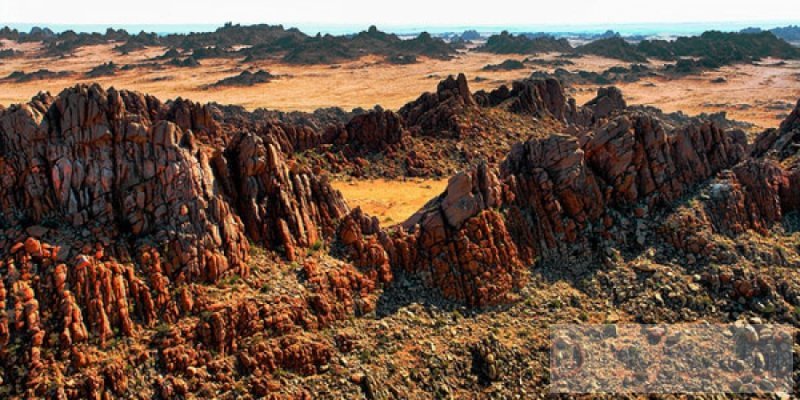
Day 1: From the Majestic Chinggis Khaan Statue to the Enchanting Baga Gazriin Chuluu. Embark on a breathtaking journey as we start the day with a visit to the iconic Chinggis Khaan Statue Complex, the world’s largest equestrian statue and a symbol of Mongolia’s proud history. Marvel at the panoramic views from the statue’s observation deck, capturing the vastness of the Mongolian steppe. From here, we head to the mystical Baga Gazriin Chuluu, a hidden gem in the heart of the Gobi Desert. These ancient granite rock formations boast fascinating natural beauty, unique landscapes, and a rich cultural heritage. Explore the area’s historical ruins and sacred spots, immersing yourself in Mongolia’s untamed wilderness.
Day 2. White Stupa /Tsagaan Suvarga /
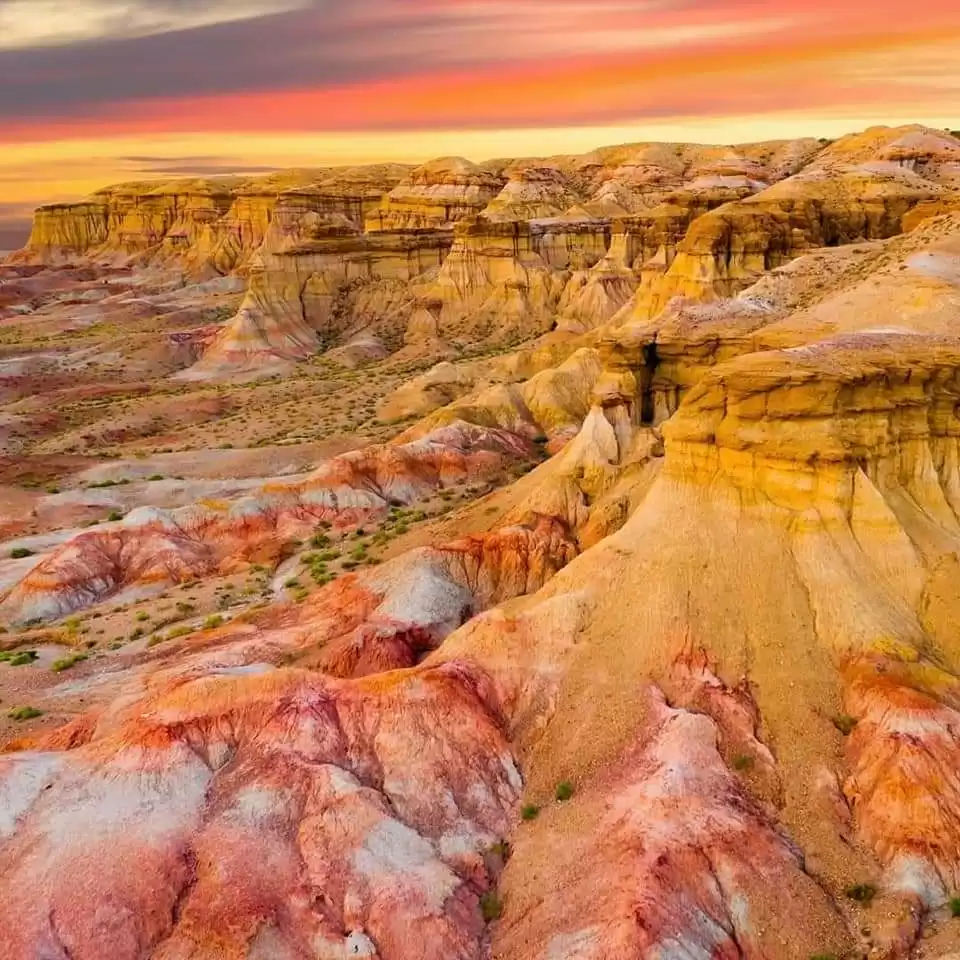
Day 2: Discover the White Stupa (Tsagaan Suvarga) and Relax in ComforStart your day with a journey to the awe-inspiring White Stupa, also known as Tsagaan Suvarga. This must-visit destination in the Gobi Desert of Mongolia is a striking natural formation. The towering cliffs, often compared to ancient ruins, showcase mesmerizing layers of white, pink, and orange rock, shaped over millennia by the forces of nature. It’s a photographer’s paradise and a dream spot for adventurers and nature enthusiasts. As you explore the rugged terrain, take in the panoramic views and uncover the mystical charm of this hidden gem. Tsagaan Suvarga is an arduous scarp in Olziit soum of Dundgovi province. Once a floor of the ocean, this scarp looks like a white stupa, hence the name Tsagaan Suvarga (white stupa). This scarp is 400 meters long and 60 meters tall with a 90 degree brink. After a rain, the water pouring down the scarp makes it look like a huge waterfall. Hiking through the cliffs offers the chance to take amazing photographs.
Day 3: Drive to Gobi Gurban Saikhan Mountain National Park, visit Eagle Valley
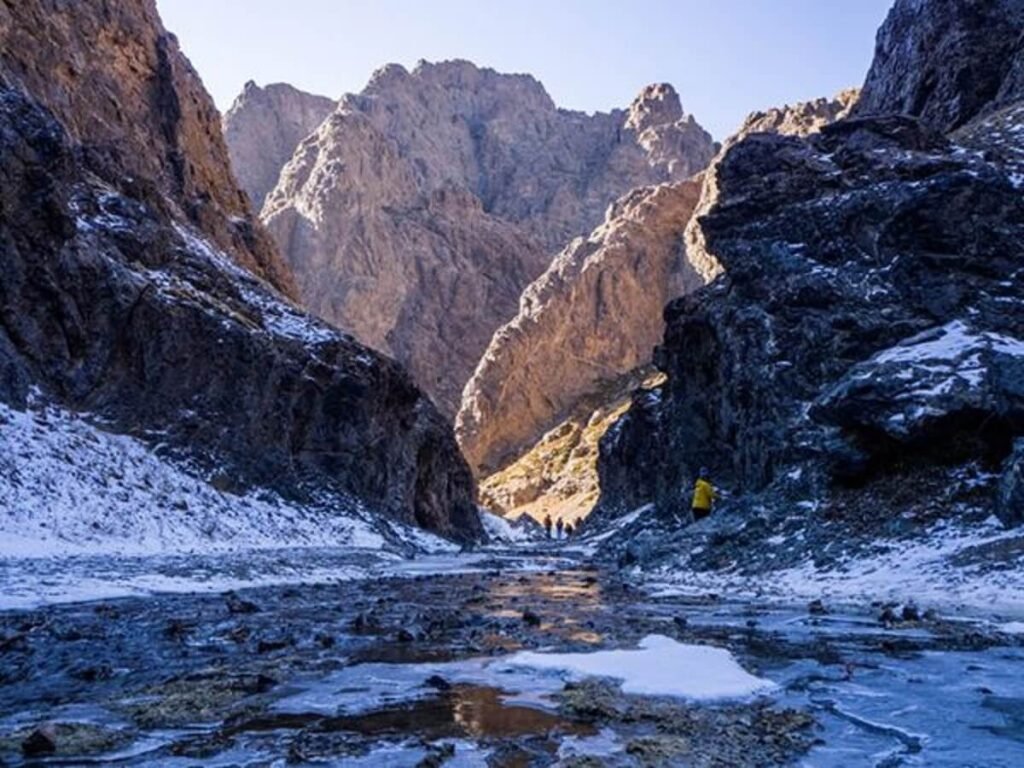
Yolyn Am Valley is situated in the Eastern Mountain range of the Three Beauties in southern Mongolia. It was started to be protected as a national reservation since 1965 and became part of the national park in 1993. The Yolyn Am Valley is one of the Nine Wonders in Umnugovi province. It is 56 kms from the central town of Umnugovi to reach the valley. Yolyn Am Valley goes through between high rocky mountain massifs of the Eastern Beauty, which is formation of Paleozoic gabbros. There is a narrow stream flows through the valley surrounded by high gorges, which will make your walking quite interesting and fun since you need to cross over the stream several times. This stream freezes forming huge amount of ice during the winter. The ice gradually melts until mid-July of summer, which most tourists find it astonishing to see ice in summer. The length of Yol valley is about 10 km if you walk till the end of the valley which requires 2-3 hours on one side.
Day 4: Khongor Sand Dunes and two-humped camel riding
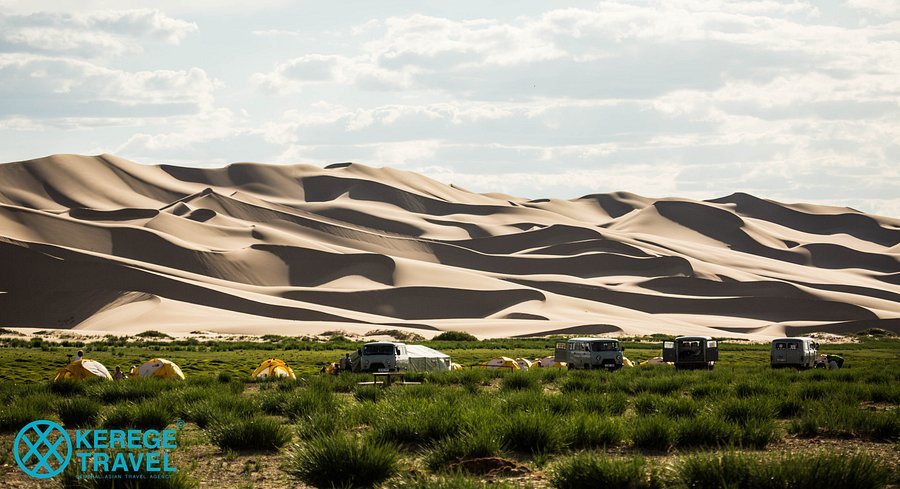

Khongor Sand dune is located in the Gobi Gurvan Saikhan National Park and one of the Nine Wonders in Umnugovi province. It is located 216km away in the west of the central city of the province. Khongor Sand dunes stretch through 130 km and its width varies 3-20km, settled between Sevrei, Zuulun and Bayan Bor high mountain ranges. The highest point of the dunes is 195m and local people call it Duut Mankhan (Singing dunes). This dune makes thundering or whistling sound when sands slide down in the wind. Flat, stable and steep sand dune forms are resulted by the local wind and besides. It is believed that the sand dunes were brought here by the wind from the remnants of ancient sea bottom. There are narrow rivers called Khongor River and Seruun Bulag right in the foot of Khongoryn Els and stream through about 10 kms and create Adag Nuur (lake) right behind the Duut Mankhan. The area around the foot of sand dunes looks more like oasis, where rain percolates through the loose sand and accumulates on the underlying pediment surfaces. The top priority of tourist activity is hiking up to the top of the sand dunes. Hiking is not going to be easy here because it is going to be literally one step forward and two steps back on sand. For some people it takes time to climb up to the top, varying around 30 minutes to an hour. But when you’re on the top of the dunes you can tell it was worth trying. There you can see the mesmerizing sunset if weather permits. Going down is far easier than climbing up. But there is one difficulty when it’s windy here. You will know that sand particles can be strong and hurt you while you’re walking forward.It’s just going to be one of the many adventures of your trip. Once you’ve finished your hiking, you can go back to your camp and take a nice shower getting rid of sands. Another thing you should do is camel riding. It takes usually one hour. Riding camel is nothing to be scared of as for the camels are very gentle animals except for their smell. Khongoryn Els is the right place to ride camels, picturing the nature and rocked by gentle walking of camels. Depending on the time you arrived at the Khongor Sand dune area, you can ride a camel to the dunes.
Day 5: Flaming Cliffs and Drive to Ongi Monastery
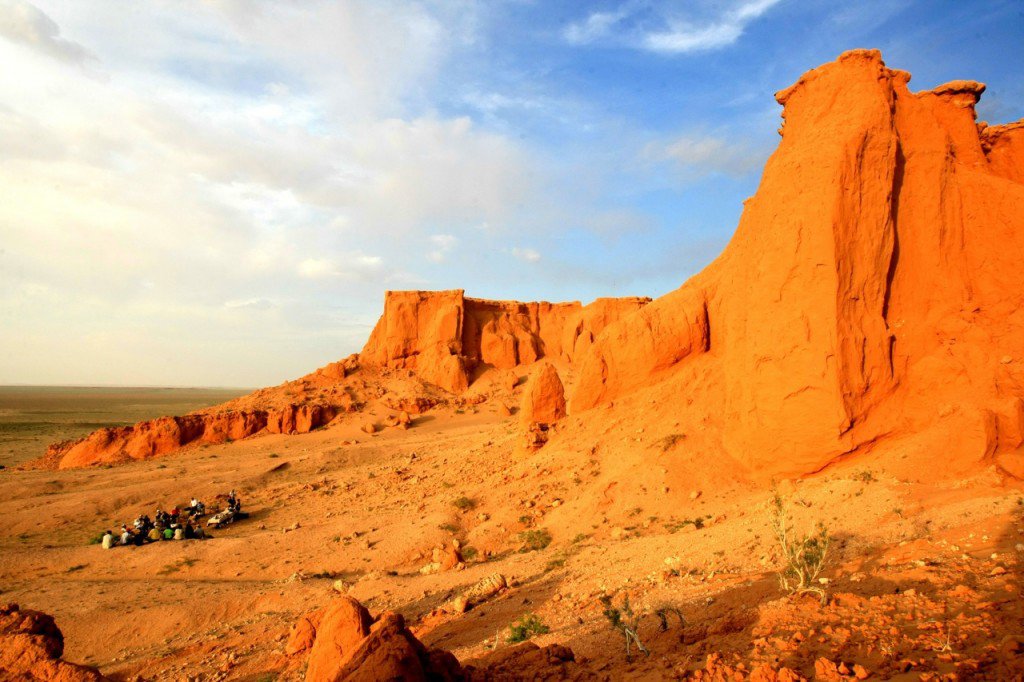
LOCATION: 90 km northwest of the provincial center Dalanzadgad and 17 km east of Bulgan soum (administrative unit) of Umnugobi province. Red sandstone cliffs and canyons, Flaming Cliffs is one of the most famous paleontological sites in the world. The area was so named by the American paleontologist Roy Chapman Andrews due to its outstanding orange color seen at sunset. Among the numerous fossils excavated here, Roy Chapman Andrews’s discovery in 1922 of the first dinosaur eggs ever revealed in the world made the area famous. Thus the paleontologists hypothesized that the dinosaurs gave birth babies. 5 km to the north of Flaming Cliffs is a Saxual tree (Haloxylon ammodendron) grove known as Bayanzag. This tree tolerates dryness and droughts of the Gobi desert, sometimes used as an emergency fodder for camels or as a fuel by the desert nomads. The tree grows 1.5 m up to 4 m in height. The tree prevents the Gobi desert soil from wind erosion and reduces the expansion of desert sands.
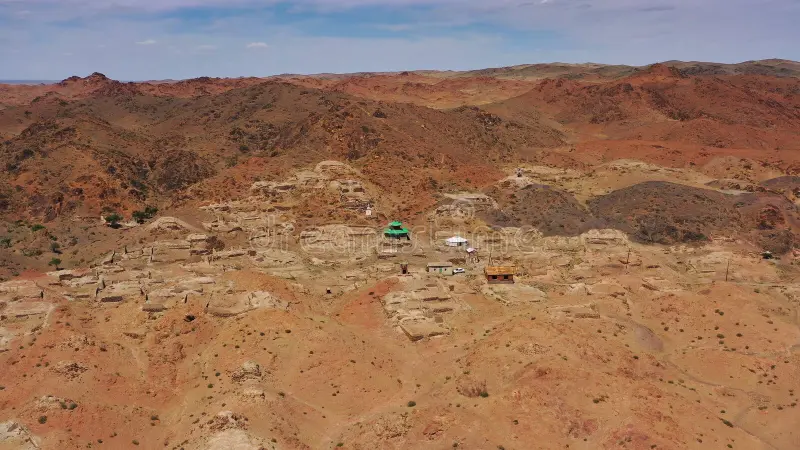
Khutagt Lama Ishdonilkhundev with his subordinate Bragri Lama Damtsagdorj built the monastery in 1760-1810. They named the monastery ‘Gundujinbolin’. Bragri Lama Damtsagdorj was born in 1781 and studied Buddhism under Khutagt Lama Ishdonilkhundev’s instruction. He went to Ikh Khuree and Tibet for further education. When he returned, his teacher Ishdonilkhunev started to build the monastery for him. Khutagt Lama Ishdonilkhundev with his subordinate Bragri Lama Damtsagdorj built the monastery in 1760-1810. They named the monastery ‘Gundujinbolin’. Bragri Lama Damtsagdorj was born in 1781 and studied Buddhism under Khutagt Lama Ishdonilkhundev’s instruction. He went to Ikh Khuree and Tibet for further education. When he returned, his teacher Ishdonilkhunev started to build the monastery for him. In early 20th century, number of temples reached to 17. There were around 10 financial units and over 1000 monks were practicing Buddhism here. This proves that the monastery was quite big and influential throughout the country. The dwellings where monks lived were located on the eastern, western and southern area of the Monastery. Monks studied Buddhism in 4 monastic schools, religious philosophy, mysticism, medicine and mathematics. As you’re taking a look at the ruins you walk a lot and even climb up to the mountain where they built an ‘Ovoo’. The monks and local people worship it on the 3th of the first summer month every year. There are four more worshiped Ovoos around the Monastery and situated in different locations on mountains. You can pick them up as your hiking routes.
Day 6 Orkhon valley waterfall
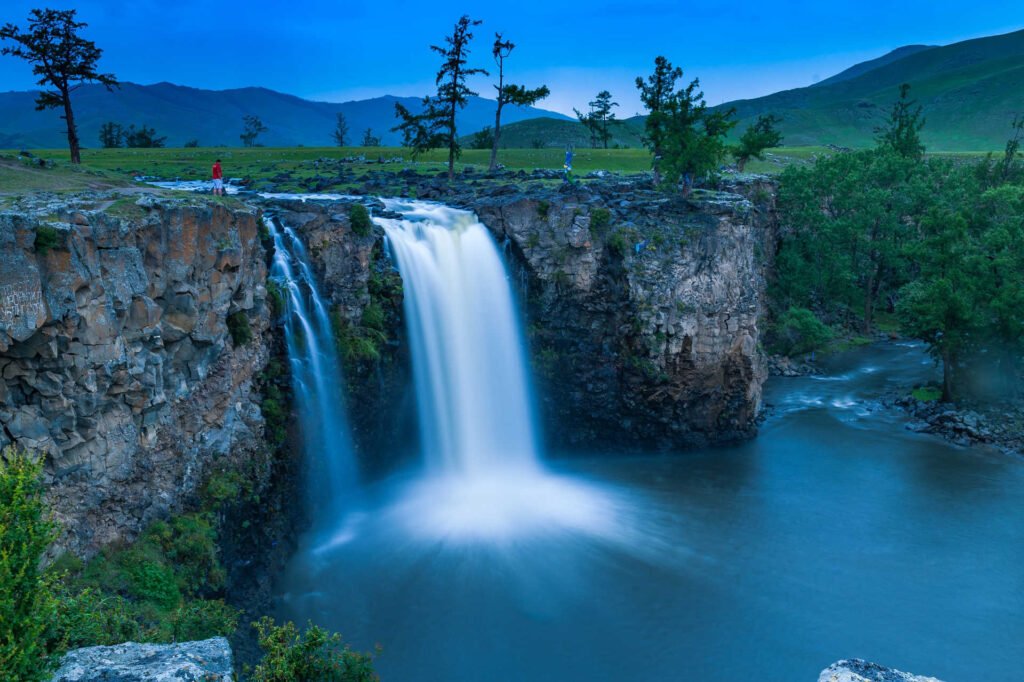
Discover the Orkhon Valley Waterfall and Ride a Horse in Mongolia’s Historic Heart. Immerse yourself in the natural and cultural beauty of Orkhon Valley, a UNESCO World Heritage Site and one of Mongolia’s most breathtaking destinations. Start your day by exploring the stunning Orkhon Waterfall (Ulaan Tsutgalan), a cascading marvel surrounded by verdant meadows and ancient volcanic rock formations. This iconic waterfall, nestled in the heart of Mongolia’s cultural cradle, offers incredible opportunities for photography and nature exploration. Next, saddle up for an unforgettable horseback riding adventure through the valley. Riding a Mongolian horse, an enduring symbol of nomadic life, allows you to experience the timeless landscapes just as the locals have for centuries. Feel the freedom and connection to nature as you traverse rolling hills and picturesque riverbanks.
Day 7 Drive to Khar khorin and ancient Monastery Erdenezuu
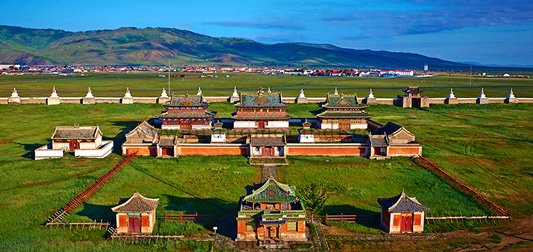
Explore Kharkhorin (Kharakhorum) – Mongolia’s Ancient Capital Step back in time as you visit Kharkhorin (Kharakhorum), the historic capital of the Mongol Empire and a must-visit destination for history and culture enthusiasts. Once a thriving center of trade and power during the 13th century, this ancient city holds a wealth of stories about Mongolia’s glorious past. Start your exploration at the renowned Erdene Zuu Monastery, the first Buddhist monastery in Mongolia. Surrounded by a wall of 108 stupas, this spiritual and historical landmark offers a glimpse into Mongolia’s transition from nomadic traditions to Buddhism. Walk among its ancient temples, admire intricate carvings, and learn about its cultural significance.
Day 8 Drive back to Ulaanbaatar on the road visit a Hustai national park
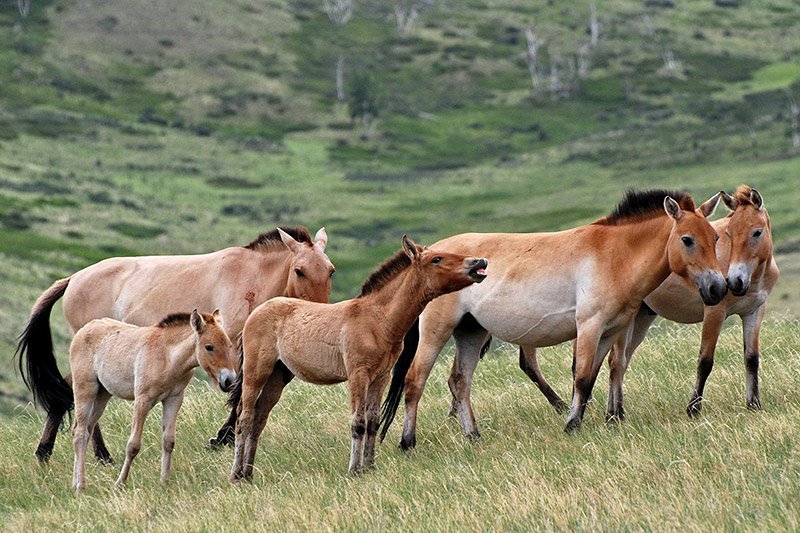
Hustai National Park is located 100 km southwest of capital Ulaanbaatar city, covering over 50,000 hectares of area. More than 50% of the land is mountain steppe, which lets its visitors feel what is the real mountain steppe is. The Hustai protected area was established in 1993, a year after the first successful reintroduction of wild horses or Przewalski horses in their wild homeland. Przewalski wild horse name came after Russian Geographer (Polish origin) Nikolay Przhevalsky, who first discovered the wild horse during his central Asian research in 1878. The only still-living wild ancestor of the domestic horses, the Mongolian wild horse is called Takhi in local language; those once roamed through Mongolian vast-open territory became extinct in the wild by the end of the 1960s. Human population expansions to their land, overhunting sometimes for food, poaching, drought or rainless summer, and severe winter were some of the reasons for the wild horse extinction. Anyway, there were some Takhi horses in the captive zoos and private collections of individuals in the western countries. First, 15 Takhi wild horses were reintroduced to Mongolia by the initiation of the Holland-Mongolian joint project in 1992 followed by more transports from foreign countries, reached the total number of 84 heads. The reintroduction and conservation in Hustai National Park was a success. At present, 350 wild horses are roaming in the wild nature of Hustai National Park. Mongolian wild horse habitat Hustai National Park is one of the well-protected areas, managed by the Mongolian Association for the Conservation of Nature and Environment between 1993 and 2003, and a dedicated NGO (Non-governmental Organization) Hustai National Park Trust since 2003.
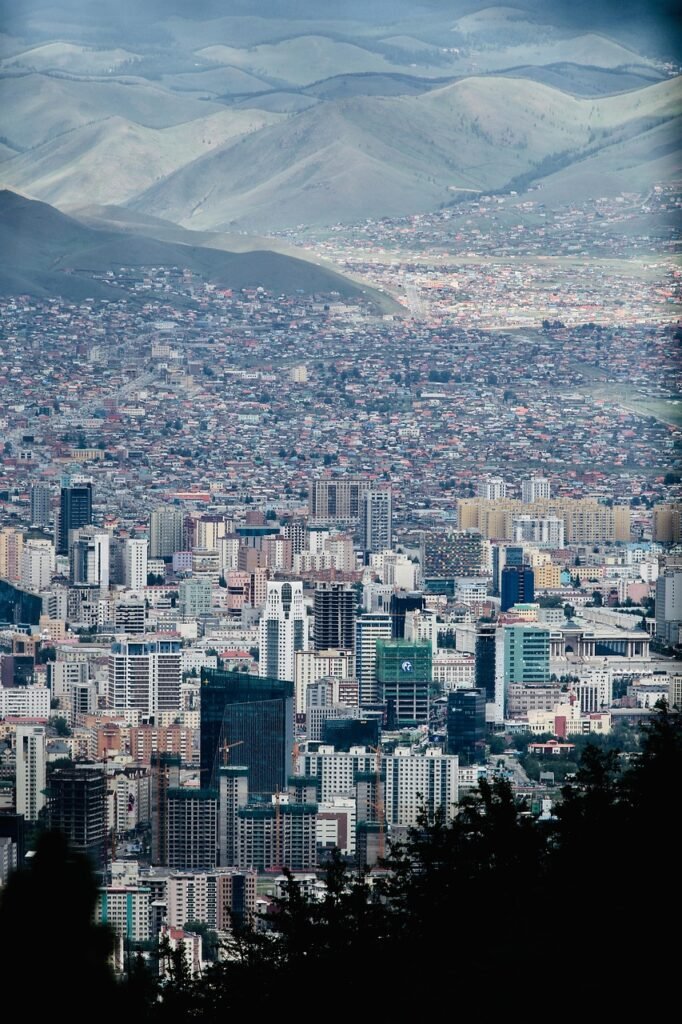
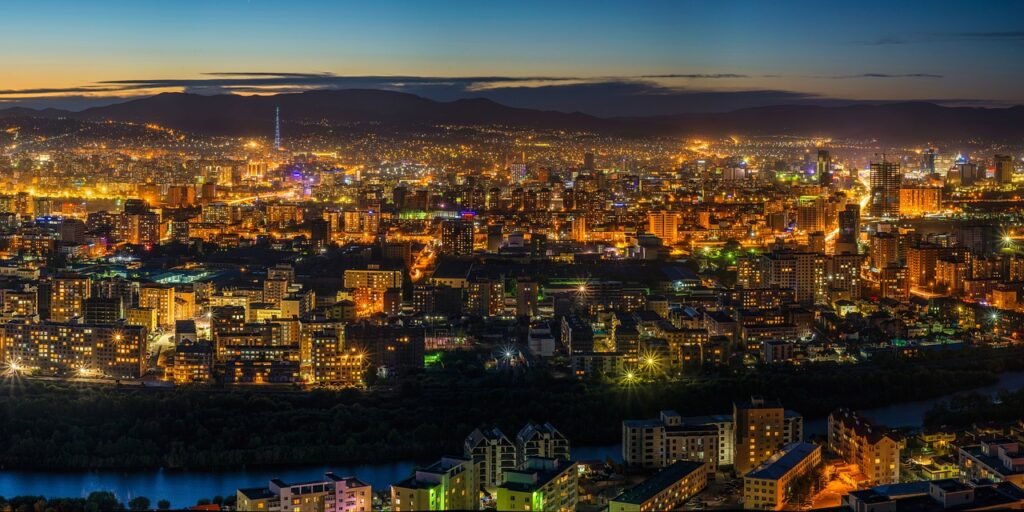
After Khustai, we will return to Ulaanbaatar.
tour map
Tourist Accommodation Types in Mongolia
Mongolia offers a wide range of accommodation choices, from modern hotels to fully outdoor camping. Travelers can choose based on comfort level, budget, and adventure style. 👉 “Please visit the Accommodation section of our website and review the links and images of the accommodation options.”
🏨 Hotels
Hotels are available in major cities and provincial centers and provide international-standard comfort.
Luxury, mid-range, and budget categories
Private rooms with ensuite bathrooms
Restaurants and full guest services
Ideal for business travelers and comfort-focused guests
🌄 Resorts & Lodges
Resorts and lodges are located in scenic natural areas and are designed for relaxation.
Cabins, houses, and ger-style units
Suitable for families and longer stays
Often include dining and activity services
Comfortable nature-based stays
⛺ Tourist Ger Camps
Ger camps are the most popular countryside accommodation and offer a traditional Mongolian experience.
Stay in authentic Mongolian gers (yurts)
Located near major attractions and protected areas
Shared or private facilities depending on category
Perfect for cultural and adventure tours
🏡 Guesthouses
Guesthouses are small, locally operated accommodations with a friendly atmosphere.
Cozy and personal environment
Limited rooms, quieter setting
Budget-friendly
Suitable for independent travelers
🐎 Nomadic Family Homestay
Homestays offer direct exposure to Mongolia’s nomadic lifestyle.
Stay with local herder families
Experience traditional food and daily routines
Cultural and immersive experience
Simple facilities, warm hospitality
🏕️ Tent Camping
Tent camping is a flexible and adventurous option for travelers who want to stay close to nature.
Set up tents in remote natural locations
Ideal for trekking, overland, and expedition-style tours
Can be fully supported (crew, meals, equipment) or self-camping
Best choice for adventure travelers and photographers
Weather-dependent and more basic in comfort
Pricing Information
| Accommodation Type | Description | Price per day (USD) | Notes |
|---|---|---|---|
| Nomadic Family & Tent | a traditional Mongolian ger or Tent in the nature
| 1pax: 220$ 2pax: 120$ 3pax: 100$ +4pax: 80$ | ✅ Meals are prepared by the guide or the host. |
| Tourist Ger Camp | a traditional Mongolian ger or Cabin in the nature | 1pax: 330$ 2pax: 220$ 3pax: 200$ +4pax: 170$ | ✅ Meals are served by the tourist camp. |
✅ Included
Accommodations
Meals
Transportation
English speaking Guide
Activities
Daily bottled water
Horse & camel riding
Entry fees to national parks and museums
❌ Not Included
Personal Expenses
Tips
Alcoholic drinks & beverages
Optional Activities
Travel Insurance
International Flights
photo tax
ABOUT US
Donzoi Tours is a professional travel company that organizes a wide range of tours across Mongolia. Our goal is to create memorable travel experiences through well-planned itineraries, reliable service, and personalized solutions. We manage all key arrangements—including routes, guides, transportation, accommodation, and programs—tailored to each traveler’s needs and budget. We proudly deliver safe, flexible, and high-quality tours for individuals, families, groups, and organizations.
Working hours
Monday to Friday: 09:00 – 18:00
Saturday & Sunday: Closed
- Please leave us a message 24/7 and we will get in touch with you. Thank you.
Contact us
💬 WhatsApp: +(976) 9903 1933
✉️ Email
info@donzoitours.com
Apt. 112, Building 12, Toovan 19th Street, 2nd Khoroo, Khan-Uul District, Ulaanbaatar, Mongolia